
Cloud Cost Optimization: Turning Cloud Waste into Business Control

The $500 Billion Cloud Cost Problem

Global enterprise spending on cloud infrastructure has now crossed an annualized rate of half a trillion dollars, according to Synergy Research Group. Total public cloud services spending is on pace to exceed a trillion dollars in 2026, with growth above 21% year over year, driven by application modernization, AI adoption, and demand for scalable digital infrastructure.

The uncomfortable part of that growth story is waste. Industry research consistently puts cloud waste at roughly 30-35% of total spend, which at global scale works out to somewhere in the range of $300 billion to $350 billion wasted every year. Put simply: for every three dollars an enterprise spends on cloud, close to one dollar delivers no business value at all.

This isn’t a niche operational problem — it’s a budget-line problem, a governance problem, and increasingly, a boardroom problem. And it’s exactly the gap Cloud Cost Optimization is built to close.

What Cloud Cost Optimization Really Means

As cloud adoption grows, so does the complexity of managing its cost. Organizations routinely face unexpected spikes in cloud bills, a lack of visibility into where spend is actually going, and inefficient use of the resources they’re already paying for. Multi-cloud environments compound the problem further, scattering billing and monitoring across disconnected systems.

Ask most engineering or finance leaders a few simple questions, and the hesitation is telling:

  1. Where is our cloud budget actually being spent?
  2. Are we overpaying for resources that sit underutilized?
  3. Can we predict and control future cloud expenses before they surprise us?
  4. How do we optimize spend without putting performance at risk?

Cloud Cost Optimization isn’t a single dashboard or a one-time audit. It’s a continuous discipline — combining visibility, forecasting, recommendations, and automation into a system that keeps cloud spend aligned with actual business value, on an ongoing basis rather than after the invoice arrives.

Cavisson’s 4-Step Cloud Cost Optimization Framework

Cavisson’s approach is built around four connected capabilities that work together as a single framework, not as isolated tools:
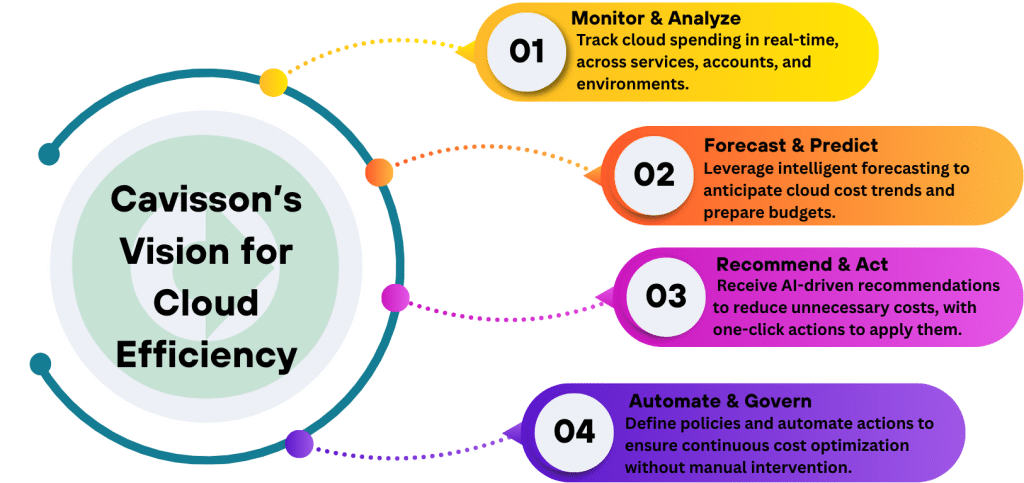
  1. Monitor & Analyze — Track cloud spending in real time, across services, accounts, and environments, so cost data is never a black box.
  2. Forecast & Predict — Apply intelligent forecasting built on historical usage trends, seasonal variations, and consumption patterns to anticipate cost trends and plan budgets with confidence.
  3. Recommend & Act — Receive AI-driven, infrastructure-specific recommendations to cut unnecessary spend, with one-click actions to apply them immediately.
  4. Automate & Govern — Define policies that keep optimization running continuously, without requiring manual intervention every time a resource drifts out of line.

Together, these four steps move cost management from a reactive, after-the-fact exercise into a proactive, continuous system of control.

The Six Pillars of Intelligent Cloud Cost Optimization

Underneath that framework sits a set of purpose-built capabilities:

  1. Forecasted Cloud Spend — Predicts upcoming expenses using historical patterns, seasonal variation, and service consumption trends, so budgeting stops being guesswork.
  2. Multi-Level Cost Breakdown & Drilldowns — Analyzes costs with granular drilldowns across services, instances, regions, accounts, or time frames.
  3. Tag & Pool-Based Cost Allocation — Groups and allocates costs by project, team, business unit, or department using smart tagging and pools, driving real accountability and visibility.
  4. Idle & Underutilized Resource Detection — Automatically detects and flags unused or underutilized resources — EC2, EBS, RDS, and more — that quietly drain budget without delivering value.
  5. Recommendations & Actions — Delivers cost-saving suggestions tailored to actual infrastructure usage, from rightsizing and migration to purchasing plans.
  6. Custom Alerts & Anomaly Detection — Sets up real-time alerts for unusual spend spikes and proactively monitors patterns to avoid bill shocks.

The platform supports the three major cloud providers — Amazon Web Services, Microsoft Azure, and Google Cloud Platform — making it a practical fit for the multi-cloud reality most enterprises now operate in.

Deep Dive: AWS Cloud Cost Optimization Strategies

Because AWS remains the dominant cloud platform for most enterprises, Cavisson’s recommendations engine goes deep into the specific AWS services that quietly drive up spend:

EBS Optimization — Delete unattached and unused volumes, migrate GP2 to cost-effective GP3, upgrade legacy I01 volumes, right-size over-provisioned IOPS, storage, and throughput, and clean up obsolete snapshots and snapshot chains.

EC2 Instance Optimization — Identify unused or abandoned instances for deletion or scale-down, upgrade old-generation instances, migrate workloads to cheaper regions, schedule shutdowns for inactive instances, convert eligible workloads to spot pricing, and flag long-running instances that should move to Reserved Instances or Savings Plans.

RDS Optimization — Shut down abandoned database instances with zero connections, scale down or shift underutilized instances to Aurora, upgrade databases running on costly extended-support engine versions, and purchase Reserved Instances for databases that have outgrown on-demand pricing.

S3 Storage Optimization — Apply lifecycle policies to transition or delete aging data, enable intelligent tiering, and remove abandoned buckets with minimal usage.

Redshift & ElastiCache Optimization — Delete unused or underutilized clusters, clear out old manual snapshots, and purchase reserved capacity for steady, long-running workloads.

Other AWS Services — Extend the same discipline to Amazon MQ, ECR, OpenSearch, DynamoDB, Auto Scaling Groups, and Kinesis Streams, plus identify opportunities to migrate x86 workloads to more cost-efficient Graviton instances.

This level of service-by-service granularity is what separates a real cost optimization platform from a generic billing dashboard.
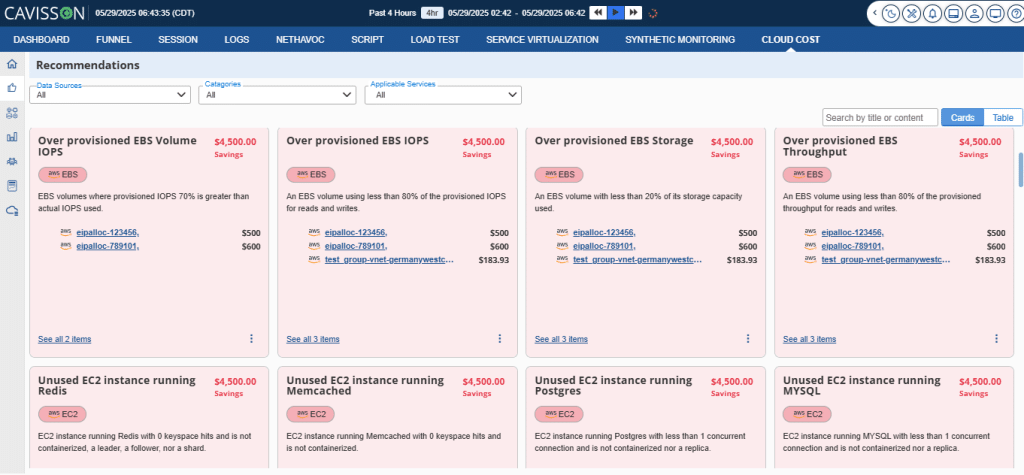
Cavisson’s Recommendations view puts this into practice — surfacing specific, dollar-quantified opportunities like over-provisioned EBS volumes and unused EC2 instances running Redis, Memcached, Postgres, or MySQL, each tied to the exact resource ID and potential savings.

Automation: The Future of Cloud Cost Governance

Detection and recommendations only go so far without the ability to act on them automatically. Cavisson’s automation capabilities close that gap by handling four core actions without waiting on a human to intervene:

  • Scheduling termination of unused resources
  • Auto-tagging for chargeback and cost allocation
  • Resizing instances based on real load patterns
  • Applying lifecycle policies for storage automatically

This is where cloud cost governance is heading — from periodic manual cleanups to policy-driven systems that keep optimizing continuously, in the background, every day.

Business Benefits Across Finance, DevOps, and Leadership

The value of Cloud Cost Optimization lands differently depending on who’s looking:

For Finance & Ops — Predictable and controlled cloud budgets, along with transparent chargeback and accountability across teams.

For DevOps — More time focused on innovation instead of manual cost management, with intelligent sizing that avoids over-provisioning in the first place.

For Executives — Reduced cloud spend by up to 30%, along with real confidence in the organization’s cloud investment strategy.

At the business level, that adds up to a lower total cost of ownership, improved resource efficiency, and a sustainable path for cloud growth — benefits that show up on the balance sheet, not just the infrastructure bill.

Why Cloud Optimization Is a Business Strategy — Not Just Cost Savings

Cloud waste is a symptom. Visibility, accountability, and automation are the cure. Cloud Cost Optimization empowers organizations to control runaway costs, align cloud usage with business goals, and enable smarter engineering decisions — not simply to trim a bill after the fact.

Given that global cloud waste runs into the hundreds of billions of dollars annually, treating cost optimization as an occasional cleanup task is no longer viable. It has to be built into how cloud infrastructure is run, day to day. Cloud cost optimization isn’t optional — it’s strategic.

Final Thoughts

The cloud has become the backbone of enterprise IT, and its cost has become one of the largest and least controlled line items on the budget. Closing that gap doesn’t require spending less on cloud — it requires spending smarter, with the visibility, forecasting, automation, and accountability to know exactly where every dollar goes.

That’s the problem Cavisson’s Cloud Cost Optimization solution was built to solve: turning cloud waste from an accepted cost of doing business into a controllable, continuously optimized part of the infrastructure strategy.


Newsletter October 2026

Awards & Recognition

We are proud to share the latest achievements and recognitions that reflect Cavisson Systems’ commitment to innovation, excellence, and delivering exceptional value to our customers.

𝐆𝐥𝐨𝐛𝐚𝐥 𝐀𝐩𝐩𝐥𝐢𝐜𝐚𝐭𝐢𝐨𝐧 𝐒𝐞𝐫𝐯𝐞𝐫 𝐒𝐨𝐟𝐭𝐰𝐚𝐫𝐞 𝐏𝐥𝐚𝐭𝐟𝐨𝐫𝐦 𝐌𝐚𝐫𝐤𝐞𝐭 𝐎𝐮𝐭𝐥𝐨𝐨𝐤 (𝟐𝟎𝟐𝟔–𝟐𝟎𝟑𝟑)

Cavisson Systems has been featured among the leading companies in the Global Application Server Software Platform Market Outlook (2026–2033). This recognition reflects our continued focus on innovation and helping businesses build, test, and deliver reliable, high-performing digital applications. Read more….

𝐖𝐞𝐛 𝐌𝐨𝐧𝐢𝐭𝐨𝐫𝐢𝐧𝐠 𝐒𝐨𝐟𝐭𝐰𝐚𝐫𝐞 𝐌𝐚𝐫𝐤𝐞𝐭: 𝐄𝐧𝐬𝐮𝐫𝐢𝐧𝐠 𝐒𝐞𝐚𝐦𝐥𝐞𝐬𝐬 𝐖𝐞𝐛 𝐏𝐞𝐫𝐟𝐨𝐫𝐦𝐚𝐧𝐜𝐞 & 𝐃𝐢𝐠𝐢𝐭𝐚𝐥 𝐑𝐞𝐥𝐢𝐚𝐛𝐢𝐥𝐢𝐭𝐲

Cavisson Systems has been recognized among the notable companies in the Web Monitoring Software Market. This recognition highlights our commitment to helping businesses monitor website performance, identify issues faster, and deliver seamless digital experiences to their customers. Read more….

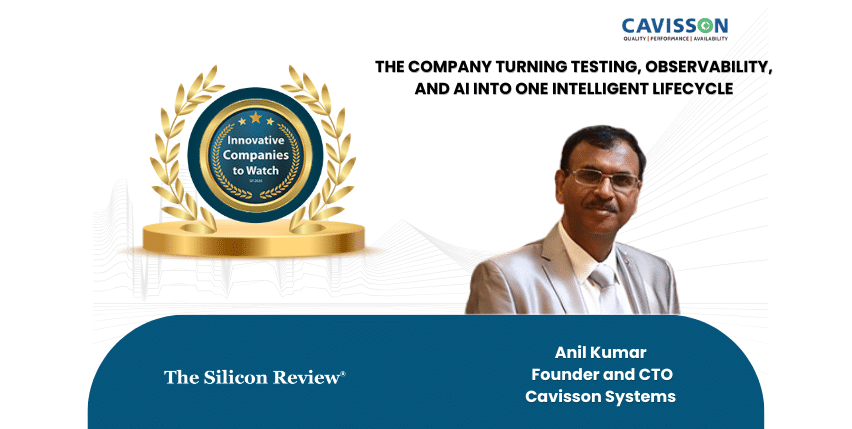
The Company Turning Testing, Observability, and AI into One Intelligent Lifecycle. Cavisson Systems has been recognized as one of the Innovative Companies to Watch 2026, highlighting its continued focus on transforming the way enterprises build, test, monitor, and optimize digital applications. Read more….

Milestone​

Cavisson Systems has reached 10K followers on LinkedIn

We’re excited that Cavisson Systems has reached 10K followers on LinkedIn. This achievement belongs to our entire community — our customers, partners, industry peers, and every follower who has supported our journey. Your trust and engagement inspire us to keep innovating and sharing valuable insights around performance engineering, observability, digital experience, and resilience.


Products Updates

Discover the latest product updates, feature enhancements, and innovations driving smarter performance and better customer experiences.

 What’s New at Cavisson Systems – Product Updates Highlights

The headline of this release: a fully AI-native testing experience that takes teams from a single prompt all the way to a verified, defect-free release.

  •     AI-Powered User Story Generation: Turn a PRD or a simple prompt into fully structured user stories, created directly in Jira or Azure DevOps.
  •     AI-Powered Test Case Creation: Generate comprehensive test cases automatically from a PRD, existing Jira/ADO user stories, or real recorded user activity, no manual scripting required.
  •     AI-Driven Test Data Management: Let AI generate and manage the test data your scripts need, removing one of the biggest bottlenecks in test creation.
  •     Functional Testing, elevated: A modernized functional testing experience built for speed, reliability, and everyday ease of use.
  •     One Workspace for Functional and Performance: Functional and performance testing are now fully unified, so teams plan, run, and analyze both from a single workspace.
  •     Auto-Healing Scripts: Tests automatically adapt when the application UI changes, virtually eliminating flaky tests and manual script maintenance.
  •     Auto Assertions: AI intelligently generates validation checkpoints for you, ensuring thorough coverage without writing assertions by hand.
  •     Built-In Quality Gates: Enforce release-readiness automatically with gates for Code Coverage, Mutation Testing, Code Vulnerability, and Code Smells.
  •     Automatic Defect Filing: Test failures automatically create bug tickets in Jira or Azure DevOps, closing the loop between testing and triage instantly.

A single Configure panel makes building the exact dashboard you need faster and far less fiddly.

  •     One Panel, Every Setting: Configure widget charts, metrics, and visualizations in one place, no more jumping between screens.
  •     Six Data Sources, One View: Pull Metrics, Logs, Database, Load Test, RUM, and Cloud Cost data into a single unified dashboard.
  •     Switch Chart Types Instantly: Change how data is visualized on the fly, without rebuilding the widget from scratch.

A brand-new SLO framework gives teams a clear, single source of truth for service reliability.

  • Define SLOs Your Way: Build count-based, uptime-based, or threshold-based SLOs with a live preview before you save.
  • See Reliability at a Glance: A centralized overview shows healthy, warning, and breached SLOs and overall compliance instantly.
  • Get Ahead of Breaches: Proactive alerts on error budget and burn rate flag risk before it becomes an outage.
  • SLOs, Right on Your Dashboard: New SLO widgets bring compliance and error-budget tracking directly into everyday dashboards.

A new centralized reporting system makes creating and sharing polished reports effortless.

  • One Workflow, Start to Finish: Configure test runs, dashboards, and sections, then generate reports instantly or on a schedule.
  • Professional, Ready-to-Share Output: Cleaner PDF and Word reports with standardized tables and no more stray blank pages.
  • Delivered Where Your Team Works: Automated delivery by email or straight into Microsoft Teams, Slack, and other collaboration tools.

New chaos engineering capabilities let teams stress-test applications before customers ever feel an issue.

  • Kubernetes-Native Chaos Testing: Simulate real-world failures, from network faults to pod outages, to validate resilience with confidence.
  • Simpler, Cleaner Experience: A redesigned interface makes configuring chaos experiments quicker and more intuitive.

New integrations bring Cavisson insights into the platforms your teams work in every day.

  • Broader Toolchain Support: Native integration with Jira, Azure DevOps, Git, and BigPanda connects monitoring to your existing workflows.
  • AI-Powered Analysis: New LLM integration brings AI-assisted troubleshooting and intelligent recommendations into the platform.

Ready to Build Better Digital Experiences?

Discover how Cavisson’s Experience Management Platform can help you test, monitor, analyze, and optimize application performance across every stage of the digital journey.

How Service Virtualization Reduces Testing Costs by Up to 70%

Software testing has a dependency problem. Every time your team needs to test a feature, they’re often blocked—waiting for a third-party API to be available, a mainframe system to be provisioned, or a partner’s sandbox environment to be unlocked. These delays don’t just slow down testing; they quietly drain budgets through idle engineering hours, extended project timelines, and expensive infrastructure that sits underutilized outside business hours.

Service virtualization solves this problem at its root. By simulating the behavior of dependent systems—APIs, databases, mainframes, and third-party services—teams can test early, test often, and test without waiting. Organizations that adopt service virtualization report cost reductions of up to 70%, and the reasons why are refreshingly practical.

(more…)

Test Data Management vs Service Virtualization: Why You Need Both

Breaking the Testing Bottleneck in Modern Software Delivery

As organizations accelerate digital transformation, software delivery cycles are shrinking from months to weeks—and in many cases, to days or even hours. Agile development, DevOps, and CI/CD pipelines have fundamentally changed how applications are built and deployed. Yet one challenge continues to slow down even the most mature engineering teams: creating reliable and production-like test environments. Two technologies have emerged as essential pillars for overcoming this challenge: Test Data Management (TDM) and Service Virtualization (SV). Unfortunately, they are often viewed as competing approaches, leading organizations to ask, “Which one should we invest in?” The reality is that this is the wrong question.
(more…)

Top 10 Parameterization Mistakes That Lead to Unrealistic Load Tests 

Top 10 Parameterization Mistakes That Lead to Unrealistic Load Tests

Why the Quality of Your Test Data Matters More Than the Number of Virtual Users?

A load test that generates one hundred thousand virtual users can still fail to answer the most important question: How will my application behave when real users arrive? In today’s distributed, API-driven architectures, performance testing is no longer about simply creating traffic. It is about recreating the complexity of production environments—diverse users, unique sessions, dynamic data, changing business workflows, and interactions across dozens of interconnected services. If the data driving those virtual users is unrealistic, the entire test becomes an exercise in measuring script execution rather than application performance.
(more…)

Service Virtualization: The Secret to Faster, Cheaper, and More Reliable Testing

In today’s hyper-competitive digital landscape, software teams are under relentless pressure to deliver high-quality applications faster than ever before. Continuous integration and continuous delivery (CI/CD) pipelines, microservices architectures, and Agile sprints have dramatically compressed release cycles — but testing has struggled to keep up. One of the biggest bottlenecks in modern software testing is dependency availability. Your application talks to payment gateways, third-party APIs, legacy systems, partner services, and cloud microservices. When any one of those dependencies is unavailable, unstable, or not yet built, your entire testing pipeline grinds to a halt.
(more…)

Real Device Testing: Bridging Functional Accuracy and Performance at Scale

In today’s digital landscape, ensuring both functional accuracy and real-world user experience is critical—and this applies across both iOS and Android ecosystems. Real Device Testing (RDT) brings these dimensions together by enabling teams to validate how applications behave on actual devices, under real conditions, at scale.

Traditional testing approaches often treat functionality and system behavior as separate concerns. However, modern applications demand a unified approach—one that ensures your application not only works as expected but also delivers a seamless experience across diverse devices, operating systems, and environments.

Real Device Testing is the discipline that closes this gap. It ensures that every interaction, every screen, and every transaction is validated in the same conditions your users experience daily—on real hardware, real networks, and real usage patterns.

(more…)

Why Code Coverage and Mutation Testing Matter in Software Testing

Writing tests is one thing. Knowing whether those tests are actually doing their job is another. Code coverage and mutation testing are two techniques that bridge this gap — giving teams an honest, evidence-based view of test quality across every layer of their software, from correctness to behaviour under load.

The problem with counting tests

Most teams measure testing effort by volume: number of test cases, lines of test code, or time spent in test execution. These numbers are easy to collect and easy to report, but they reveal very little about how well a system is actually protected against defects. A thousand shallow tests can offer less assurance than a hundred well-constructed ones.
(more…)

Performance Newsletter April 2026

Recognition

Cavisson Systems continues to lead the way, earning accolades as a key player in transformative digital performance technologies.

Cavisson Systems has also been featured in the Chaos Engineering Platform Market (2025–2032) report, further establishing its leadership in resilience engineering. With its chaos engineering capabilities, Cavisson empowers organizations to proactively identify weaknesses and build highly available, fault-tolerant systems. Read more…

According to a report by Brand Essence Research, Cavisson Systems is recognized in the Cloud Testing Market Size, Share, and Trends Analysis (2025–2032). This showcases Cavisson’s growing impact in cloud-native testing, helping organizations ensure scalability, reliability, and performance in modern distributed systems. Read more…

Cavisson Systems has been identified as a key player in the Global Service Virtualization Market by Report Ocean. This acknowledgment reinforces Cavisson’s strength in enabling faster, dependency-free testing environments that accelerate development cycles and improve software quality. Read more..

AWARDS

Recognized for Excellence. Trusted by Industry Leaders.

Top 5 Leaders Crafting the Future of Business in 2025

Recognizing Visionary Leadership Driving Digital Innovation

Cavisson Systems’ Founder & CEO, Anil Kumar, has been recognized among the Top 5 Leaders Crafting the Future of Business in 2025 by Magnate View Magazine. This prestigious recognition reflects his forward-thinking vision and leadership in redefining how enterprises approach performance engineering, observability, and digital experience. Under his guidance, Cavisson Systems continues to empower organizations with innovative solutions that enhance scalability, resilience, and business agility in an increasingly digital-first world.

PRODUCT UPDATES

Explore our latest features designed to optimize digital experiences, boost reliability, and accelerate innovation.

Expanded Database & SAP Monitoring New

Cavisson now supports monitoring of SAP ASE (formerly Sybase) and SAP IQ — two widely deployed enterprise database platforms. Combined with extended SAP HANA coverage, your teams gain real-time visibility into transaction activity, cache performance, backup status, schema health, and more.

  • SAP ASE: transaction activity, cache hit rates, and key performance counters
  • SAP IQ: process, cache, and request metrics for data warehouse optimization
  • SAP HANA: new metrics for Backup, Prepared Statements, Services, Components, and Schema

IoT Protocol Support: EMQX & MQTTNew

Monitor EMQX, a highly scalable open-source MQTT broker, and simulate IoT device communication through native MQTT protocol support in load testing. This enables performance and health monitoring of mission-critical IoT messaging infrastructure.


Enhanced Network Monitoring via SNMPEnhanced

Map network devices to physical locations and visualize their availability and performance on an interactive geomap. SNMP metrics are now presented in a cleaner, more intuitive hierarchy within the metric tree.

New Widgets & Visualization Types New

Version 4.14.0 introduces a new set of visualization widgets to enable richer, more actionable dashboards:

  • iFrame widget — embed HTML reports and external pages directly in your dashboard
  • Top List Chart — highlight top N resource-consuming hosts or services by any metric
  • Treemap widget — visualize service-level resource utilization at a glance
  • GeoMap Extended — plot metrics using latitude/longitude or location tags with SNMP and RUM support
  • Label widget — now supports clickable links to third-party tools with parameterized date/time variables

Redesigned Core UI Components Enhanced

A series of foundational UI improvements make the platform faster and easier to use across all modules:

  • New Date/Time Picker with test vs. monitoring toggle, comparison mode, and flexible date input formats
  • Unified Tabular View with global search, column controls, and multi-format export (PDF, Excel, CSV, Word)
  • Advanced Scheduler with one-time and recurring schedule support, preview validation, and second-level precision
  • Revamped Access Control Management with tier-level permissions and LDAP group import

Load Testing Enhancements Enhanced

  • Flowpath drilldown from Page Detail Reports for in-depth root cause analysis during load tests
  • Native support for HTTP/2 and HTTP/3 inline request scheduling
  • Selenium integration for automated browser-based RBU testing
  • Net Cache Stats to monitor cache hit rates and optimize server resource utilization

NetHavoc — Smarter Resilience Testing Enhanced

  • Email notifications with full scenario reports upon completion
  • Import and export of chaos scenarios, including bulk import across environments
  • Search, reorder, and insert havocs mid-scenario for dynamic chaos strategy adjustment
  • Updated scheduler integration for production-realistic injection patterns

NetForest — Deeper Log Intelligence New

  • AWS Data Pipeline integration for direct log ingestion and NFQL-powered querying
  • Custom log field creation for tailored filtering and analysis
  • Dedicated Error/Exception tab for rapid error identification and business transaction correlation
  • Customizable log parsers built on top of existing technology-based templates

Events

Achieving exceptional digital customer experience in today’s digital-first economy ​

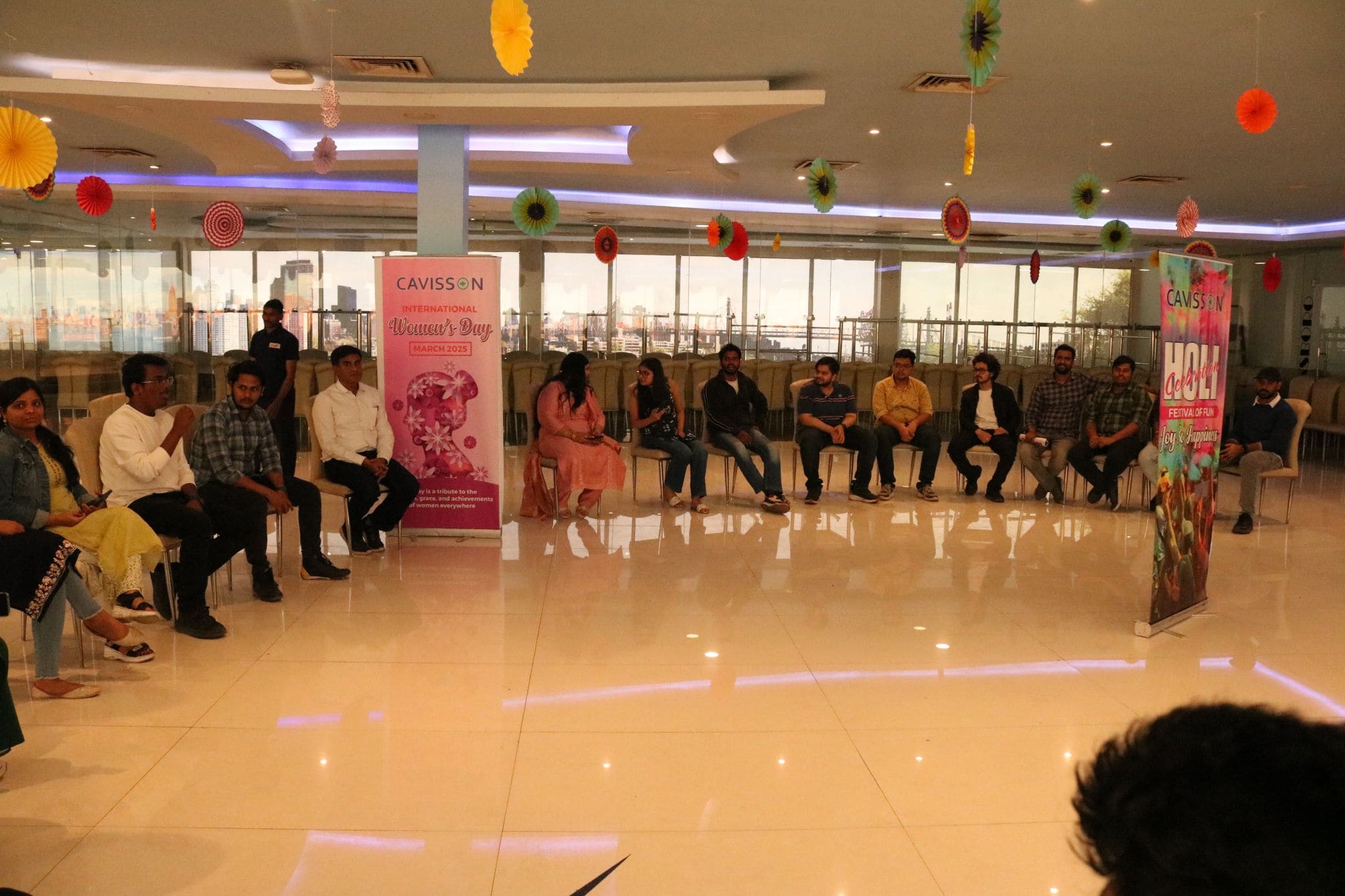
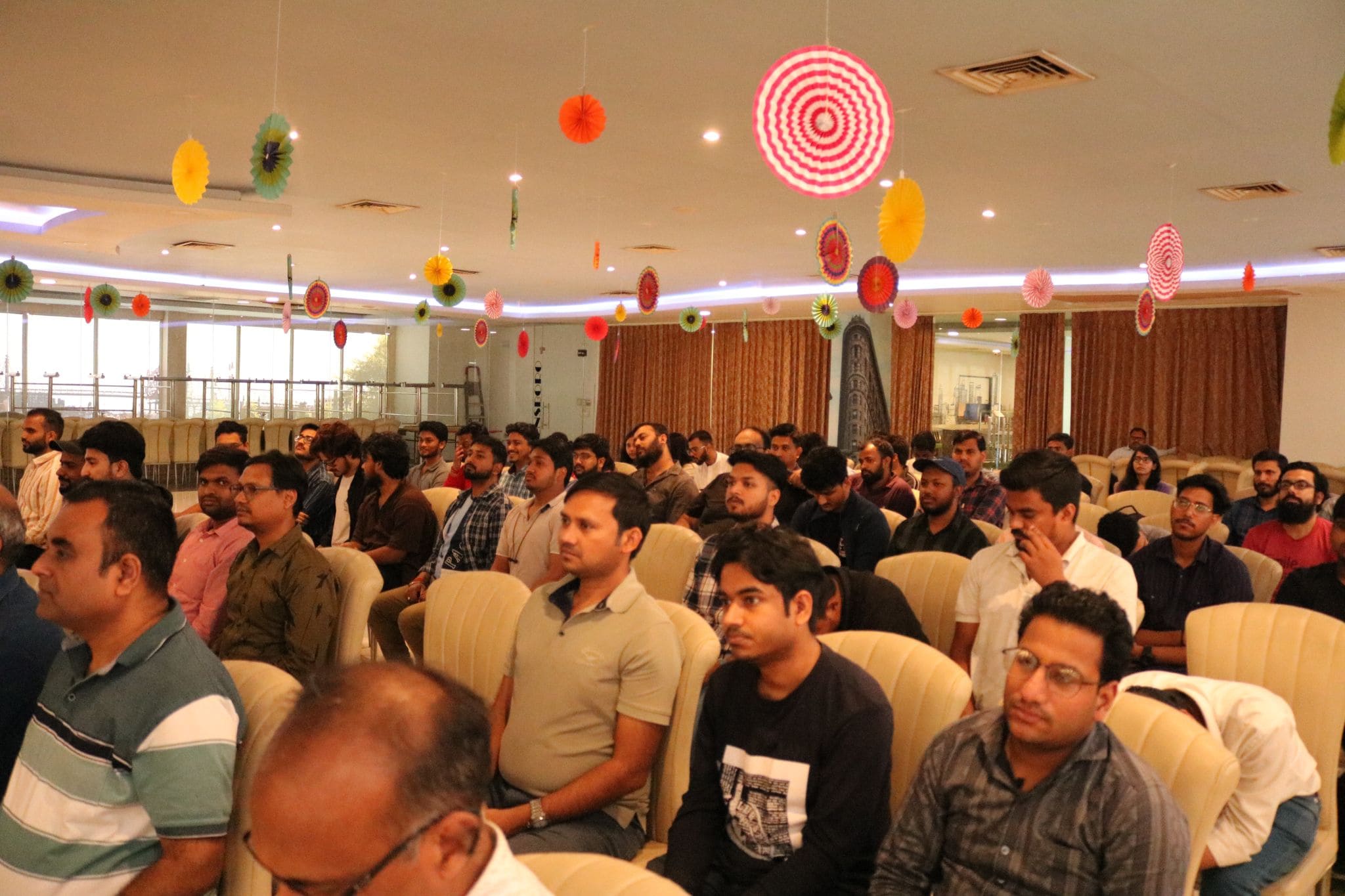
Vibrant Holi Celebrations at Cavisson Systems!

We celebrated the festival of colors at Cavisson Systems with an incredible day of joy, laughter, and team bonding! Our Holi festivities were a beautiful blend of tradition and wellness that brought our entire team together.

Highlights from our colorful day:

The office came alive with groovy beats and foot-tapping music that had everyone dancing. Our team participated in exciting games and playful challenges with tremendous enthusiasm. Everyone enjoyed the delectable festive treats that added flavor to our celebration. Our special Ayurveda Session provided valuable health & wellness tips from an expert.

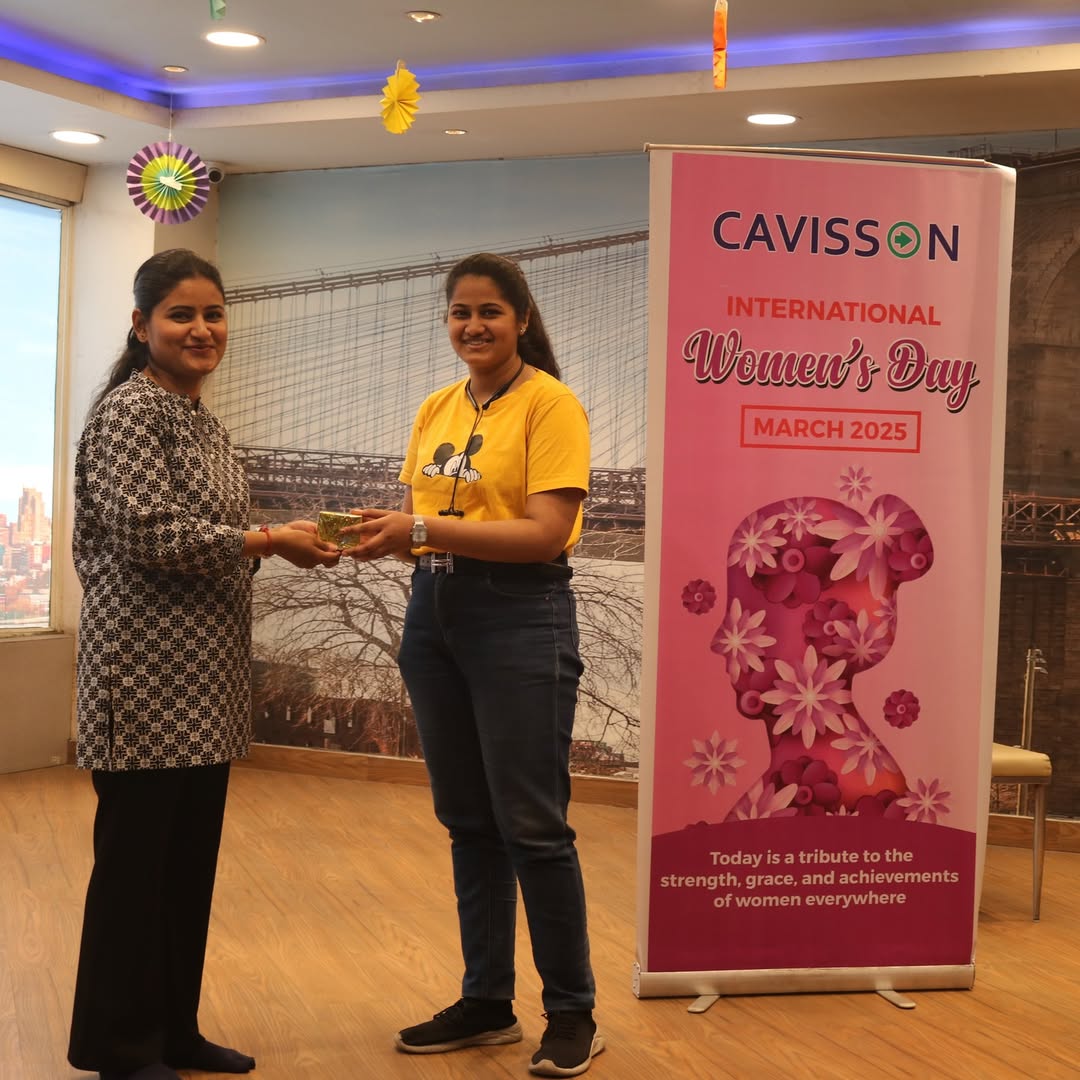
Women's Day 2026 at Cavisson Systems: Embracing Holistic Health Through Ayurveda

In celebration of International Women’s Day, we recently hosted a special Ayurveda session curated exclusively for the women of Cavisson Systems, focusing on holistic health, balance, and well-being. We were honored to have an experienced yoga expert from Patanjali lead this session, sharing valuable insights on achieving overall well-being through Ayurveda and Yoga practices tailored specifically for women.

Highlights from our enriching session:
Insightful discussions on Ayurvedic approaches to women’s health & wellness. Practical tips on adapting to changing weather patterns through yoga techniques. Engaging Q&A session with our Ayurveda expert

The enthusiasm and participation from our women team members made this event truly special. We’re committed to creating spaces that nurture both professional growth and personal wellness at Cavisson Systems.

Celebrating International Yoga Day Week at Cavisson Systems!

In recognition of International Yoga Day, we’re thrilled to host exclusive yoga session at our office as part of our commitment to promoting employee well-being, mindfulness, and work-life balance.
  
Experience a guided session led by our certified Arham Yoga Teacher, designed to calm the mind, improve mental clarity, and promote emotional balance. The perfect mid-week reset for our team!
Whether you’re a seasoned practitioner or yoga-curious, these sessions are designed to be inclusive, calming, and rejuvenating for everyone.