Real Device Testing: Bridging Functional Accuracy and Performance at Scale

In today’s digital landscape, ensuring both functional accuracy and real-world user experience is critical—and this applies across both iOS and Android ecosystems. Real Device Testing (RDT) brings these dimensions together by enabling teams to validate how applications behave on actual devices, under real conditions, at scale.

Traditional testing approaches often treat functionality and system behavior as separate concerns. However, modern applications demand a unified approach—one that ensures your application not only works as expected but also delivers a seamless experience across diverse devices, operating systems, and environments.

Real Device Testing is the discipline that closes this gap. It ensures that every interaction, every screen, and every transaction is validated in the same conditions your users experience daily—on real hardware, real networks, and real usage patterns.

(more…)

Why Code Coverage and Mutation Testing Matter in Software Testing

Writing tests is one thing. Knowing whether those tests are actually doing their job is another. Code coverage and mutation testing are two techniques that bridge this gap — giving teams an honest, evidence-based view of test quality across every layer of their software, from correctness to behaviour under load.

The problem with counting tests

Most teams measure testing effort by volume: number of test cases, lines of test code, or time spent in test execution. These numbers are easy to collect and easy to report, but they reveal very little about how well a system is actually protected against defects. A thousand shallow tests can offer less assurance than a hundred well-constructed ones.

Code coverage and mutation testing shift the conversation from “how many tests do we have?” to “how much does our test suite actually prove?” That is a far more useful question — and the answer is often more uncomfortable than teams expect.

Concept 1

Code Coverage

Measures how much of your source code is actually executed during a test run — by line, branch, function, or path. It identifies which parts of the codebase no test has yet touched.

Concept 2

Mutation Testing

Introduces deliberate small faults into the code, then checks whether your tests detect them. Surviving mutations expose blind spots where tests run but assert nothing meaningful.

Code coverage: necessary, but not sufficient

Coverage answers a binary question for every line of code: was it reached during testing? When coverage is low, the conclusion is straightforward — substantial logic is untested and anything could be lurking there. A team shipping with 30% coverage is making a conscious bet that the untested 70% contains nothing important.

But high coverage is not a clean bill of health. A test can execute a line without making any assertion about what that line produced. The code ran; no one checked whether the output was right. This is where coverage’s limitations become dangerous — because it can create a feeling of thoroughness that is not actually there.

Analogy

Coverage is like confirming that every switch in a building was flipped during an inspection — but never checking whether the lights actually came on. The motion was made; the result was never verified.

Mutation testing: a quality check on your tests

Mutation testing goes one level deeper. It works by systematically altering the code — flipping a condition, removing a boundary check, changing an operator — and then re-running your test suite against each altered version. If at least one test fails, the mutation is “killed”: your suite was sensitive enough to notice. If all tests pass despite the introduced fault, the mutation “survives” — and that is a signal that your tests have a genuine gap.

The result is a mutation score: the proportion of introduced faults that were caught. This metric cuts through the noise of coverage percentages and tells you something concrete about the assertive strength of your test suite. It is, in practice, a much harder standard to meet — and a much more honest one.

“A test suite that achieves 95% code coverage but only kills 50% of mutants is not a safety net — it is a false sense of security dressed up in numbers.”

How both techniques apply across testing types

These tools are most naturally associated with functional testing — unit tests, integration tests, and component-level verification — where the question is whether the code behaves correctly for a given set of inputs. But their value extends across the testing spectrum.

Functional testing

  • Surfaces uncovered branches and edge cases in business logic.

  • Strengthens assertion quality at unit and integration levels.

  • Exposes logic gaps before they reach integration.

  • Validates correctness of conditional flows and state transitions.

  • Guides test-driven development with measurable targets

Performance & load testing

  • Ensures load scenarios exercise real, verified code paths.

  • Identifies dead or unreachable code that adds latency overhead. 

  • Confirms error-handling and fallback paths are tested under stress.

  • Improves scenario realism by grounding them in tested branches.

  • Catches concurrency and state issues hidden in untested paths

In functional testing, the connection is direct: every untested branch is a potential defect, and every mutation that survives is a test that asks nothing of the code it covers. Teams with complex business logic — eligibility rules, pricing calculations, data transformations — need mutation testing to prove their suites are fit for purpose, not just present.

In load and performance testing, the connection is subtler but equally real. A test scenario that exercises only the happy path under load may never trigger the code branches where expensive fallbacks, retry loops, or resource contention live. Strong functional coverage — validated by mutation testing — ensures that load scenarios are built on logic that has been meaningfully verified, not just executed. And dead code surfaces through coverage analysis often turns out to be unnecessary computation sitting in hot paths, with direct implications for throughput and response time.

The underlying principle

Functional and load testing are not two separate disciplines. They are two angles on the same question: does this software do what it should, under every condition it will face? Coverage and mutation testing improve both by ensuring the foundation — the tests themselves — can actually be trusted.

Making it practical

Code coverage reporting slots naturally into most CI/CD pipelines. Setting minimum thresholds — say, 80% line coverage and 70% branch coverage — as build gates prevents silent regression in test completeness. Most languages have mature tooling: JaCoCo and OpenClover for Java, Istanbul/nyc for JavaScript, Coverage.py for Python.

Mutation testing is more computationally intensive and is best applied selectively. Start with the modules that encode the most critical business rules or carry the highest risk of regression. Tools like PIT (Java), Stryker (JavaScript / TypeScript), and mutmut (Python) make this tractable even for teams encountering mutation testing for the first time.

Used together, coverage and mutation scores give a two-dimensional picture of test quality: coverage tells you where your tests go; mutation scores tell you whether they see anything when they get there.

Key takeaways:

Code coverage shows which code is executed by tests; it does not confirm the correctness of that execution.

Mutation testing reveals whether your tests can actually detect faults — it measures test quality, not just reach.

These techniques belong primarily to functional testing — especially unit and integration levels — where logic correctness is verified.

In performance engineering, strong functional test coverage supports more realistic and trustworthy load test scenarios.

Apply mutation testing selectively: prioritise business-critical modules where defects would carry the highest cost.

Conclusion

Code coverage and mutation testing bring much-needed clarity to a space that is often clouded by surface-level metrics. Instead of relying on the number of tests or execution time, they help teams understand the true effectiveness of their test suites—what is being tested, and more importantly, how well it is being validated.

While coverage ensures that critical code paths are exercised, mutation testing verifies that those executions are meaningful and capable of catching defects. Together, they create a balanced, evidence-driven approach to test quality—one that strengthens both functional correctness and performance reliability.

In an era where applications must perform flawlessly under real-world conditions, treating testing as a measurable, verifiable discipline is no longer optional. It is the foundation of resilient, high-performing software.

Ready to strengthen your test strategy?

Explore how Cavisson can help you build deeper test confidence, eliminate blind spots, and deliver software that performs as expected—every time.

Performance Newsletter April 2026

Recognition

Cavisson Systems continues to lead the way, earning accolades as a key player in transformative digital performance technologies.

Cavisson Systems has also been featured in the Chaos Engineering Platform Market (2025–2032) report, further establishing its leadership in resilience engineering. With its chaos engineering capabilities, Cavisson empowers organizations to proactively identify weaknesses and build highly available, fault-tolerant systems. Read more…

According to a report by Brand Essence Research, Cavisson Systems is recognized in the Cloud Testing Market Size, Share, and Trends Analysis (2025–2032). This showcases Cavisson’s growing impact in cloud-native testing, helping organizations ensure scalability, reliability, and performance in modern distributed systems. Read more…

Cavisson Systems has been identified as a key player in the Global Service Virtualization Market by Report Ocean. This acknowledgment reinforces Cavisson’s strength in enabling faster, dependency-free testing environments that accelerate development cycles and improve software quality. Read more..

AWARDS

Recognized for Excellence. Trusted by Industry Leaders.

Top 5 Leaders Crafting the Future of Business in 2025

Recognizing Visionary Leadership Driving Digital Innovation

Cavisson Systems’ Founder & CEO, Anil Kumar, has been recognized among the Top 5 Leaders Crafting the Future of Business in 2025 by Magnate View Magazine. This prestigious recognition reflects his forward-thinking vision and leadership in redefining how enterprises approach performance engineering, observability, and digital experience. Under his guidance, Cavisson Systems continues to empower organizations with innovative solutions that enhance scalability, resilience, and business agility in an increasingly digital-first world.

PRODUCT UPDATES

Explore our latest features designed to optimize digital experiences, boost reliability, and accelerate innovation.

Expanded Database & SAP Monitoring New

Cavisson now supports monitoring of SAP ASE (formerly Sybase) and SAP IQ — two widely deployed enterprise database platforms. Combined with extended SAP HANA coverage, your teams gain real-time visibility into transaction activity, cache performance, backup status, schema health, and more.

  • SAP ASE: transaction activity, cache hit rates, and key performance counters
  • SAP IQ: process, cache, and request metrics for data warehouse optimization
  • SAP HANA: new metrics for Backup, Prepared Statements, Services, Components, and Schema

IoT Protocol Support: EMQX & MQTTNew

Monitor EMQX, a highly scalable open-source MQTT broker, and simulate IoT device communication through native MQTT protocol support in load testing. This enables performance and health monitoring of mission-critical IoT messaging infrastructure.


Enhanced Network Monitoring via SNMPEnhanced

Map network devices to physical locations and visualize their availability and performance on an interactive geomap. SNMP metrics are now presented in a cleaner, more intuitive hierarchy within the metric tree.

New Widgets & Visualization Types New

Version 4.14.0 introduces a new set of visualization widgets to enable richer, more actionable dashboards:

  • iFrame widget — embed HTML reports and external pages directly in your dashboard
  • Top List Chart — highlight top N resource-consuming hosts or services by any metric
  • Treemap widget — visualize service-level resource utilization at a glance
  • GeoMap Extended — plot metrics using latitude/longitude or location tags with SNMP and RUM support
  • Label widget — now supports clickable links to third-party tools with parameterized date/time variables

Redesigned Core UI Components Enhanced

A series of foundational UI improvements make the platform faster and easier to use across all modules:

  • New Date/Time Picker with test vs. monitoring toggle, comparison mode, and flexible date input formats
  • Unified Tabular View with global search, column controls, and multi-format export (PDF, Excel, CSV, Word)
  • Advanced Scheduler with one-time and recurring schedule support, preview validation, and second-level precision
  • Revamped Access Control Management with tier-level permissions and LDAP group import

Load Testing Enhancements Enhanced

  • Flowpath drilldown from Page Detail Reports for in-depth root cause analysis during load tests
  • Native support for HTTP/2 and HTTP/3 inline request scheduling
  • Selenium integration for automated browser-based RBU testing
  • Net Cache Stats to monitor cache hit rates and optimize server resource utilization

NetHavoc — Smarter Resilience Testing Enhanced

  • Email notifications with full scenario reports upon completion
  • Import and export of chaos scenarios, including bulk import across environments
  • Search, reorder, and insert havocs mid-scenario for dynamic chaos strategy adjustment
  • Updated scheduler integration for production-realistic injection patterns

NetForest — Deeper Log Intelligence New

  • AWS Data Pipeline integration for direct log ingestion and NFQL-powered querying
  • Custom log field creation for tailored filtering and analysis
  • Dedicated Error/Exception tab for rapid error identification and business transaction correlation
  • Customizable log parsers built on top of existing technology-based templates

Events

Achieving exceptional digital customer experience in today’s digital-first economy ​

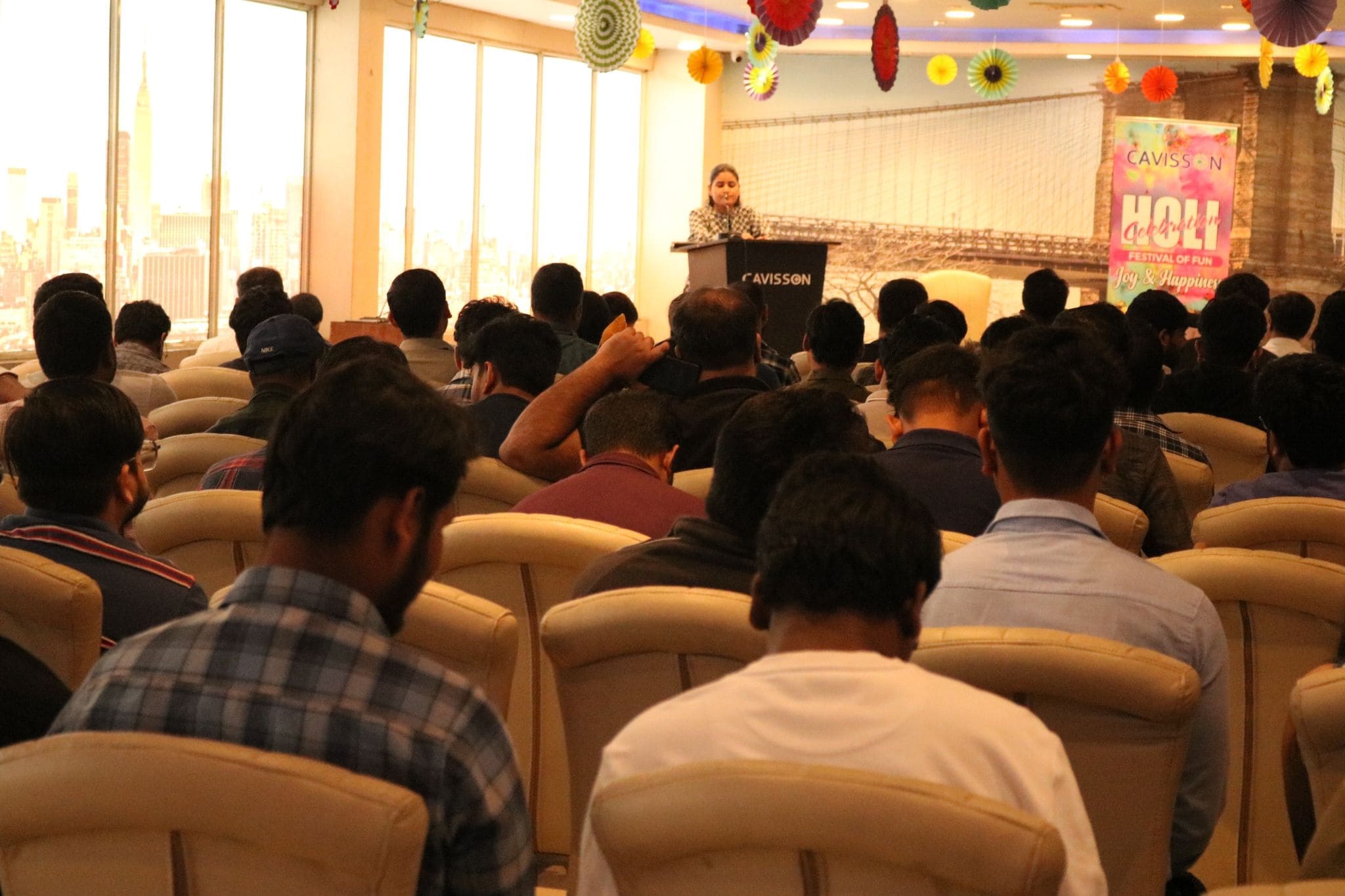
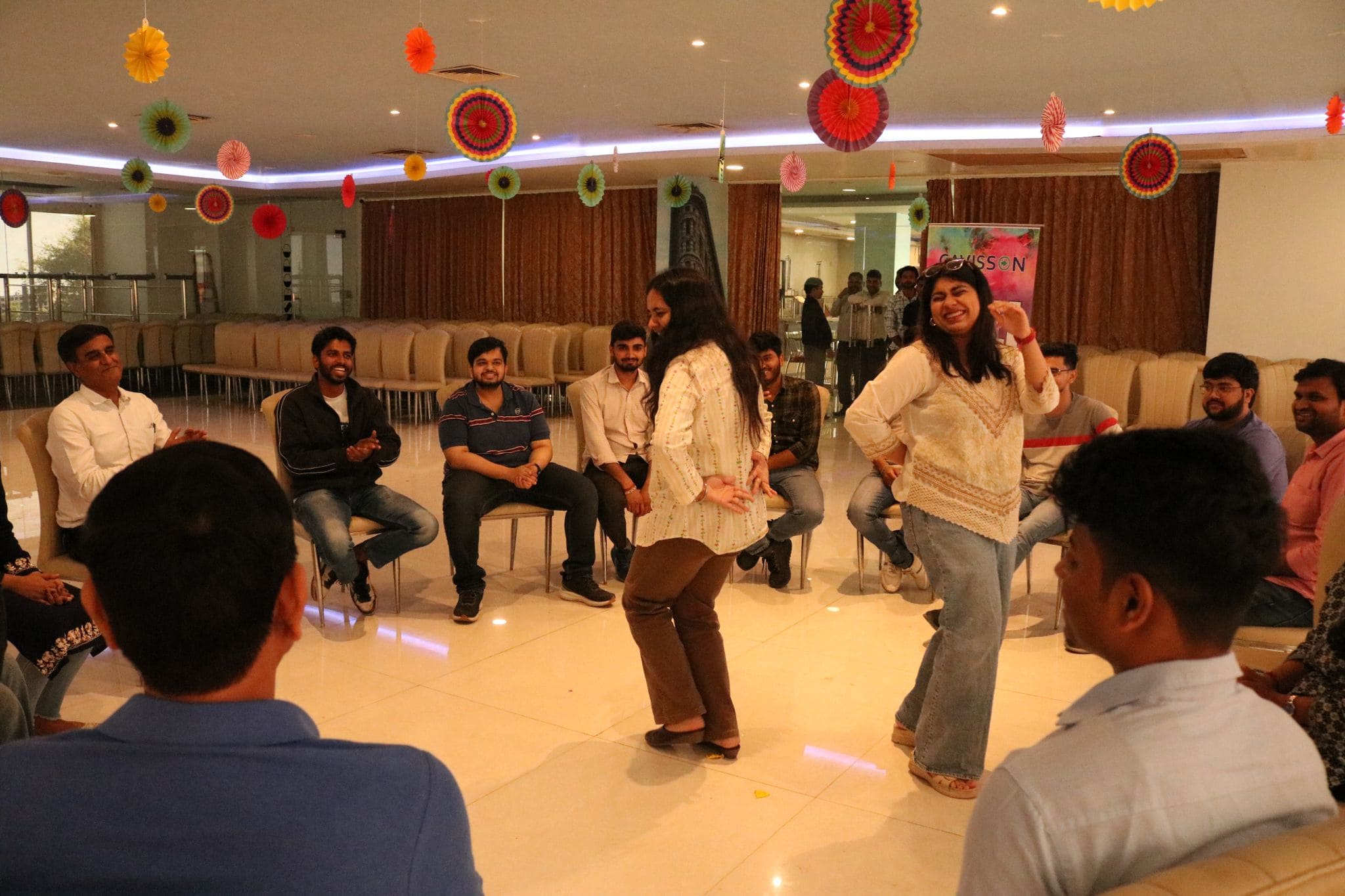
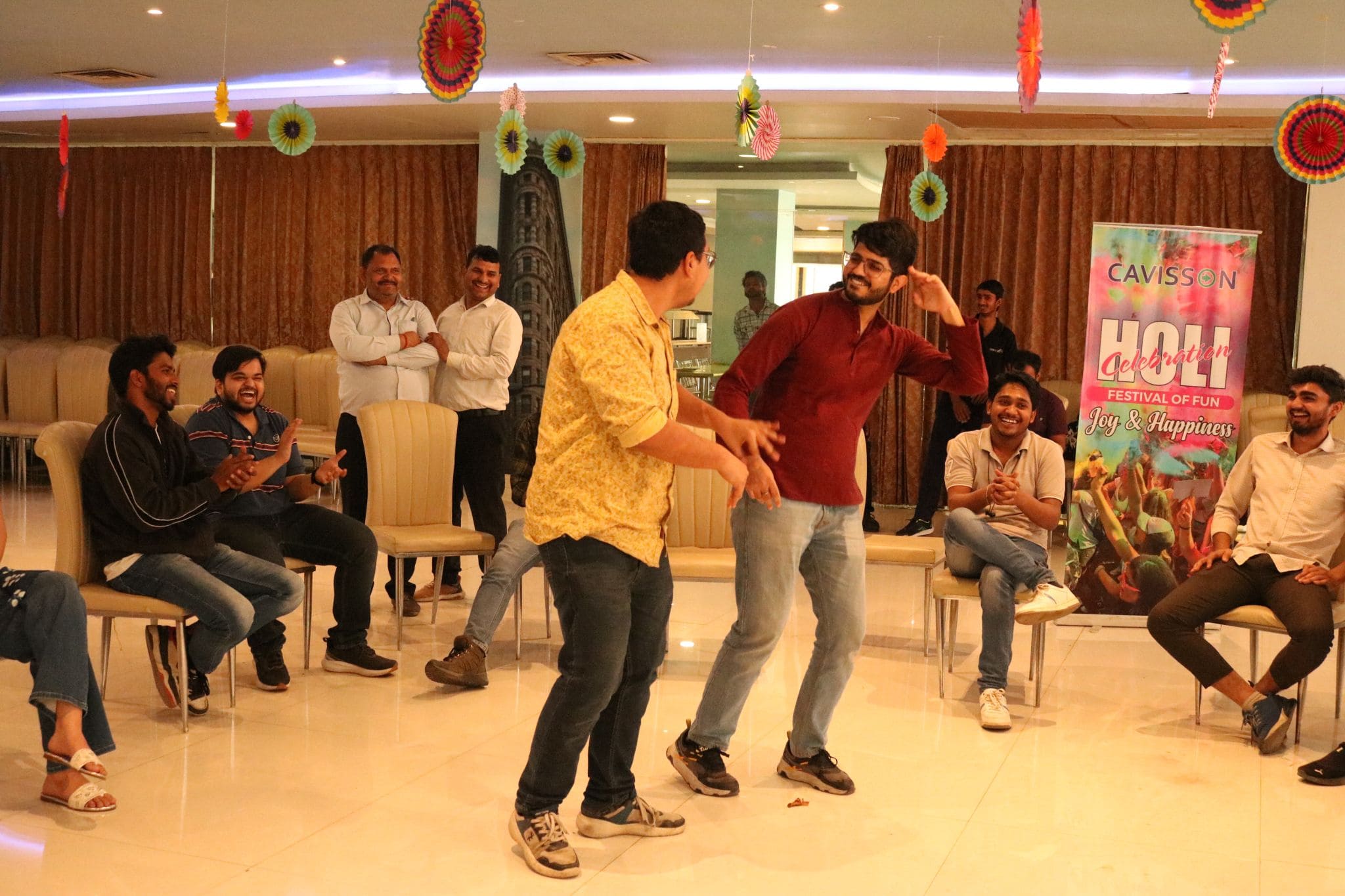
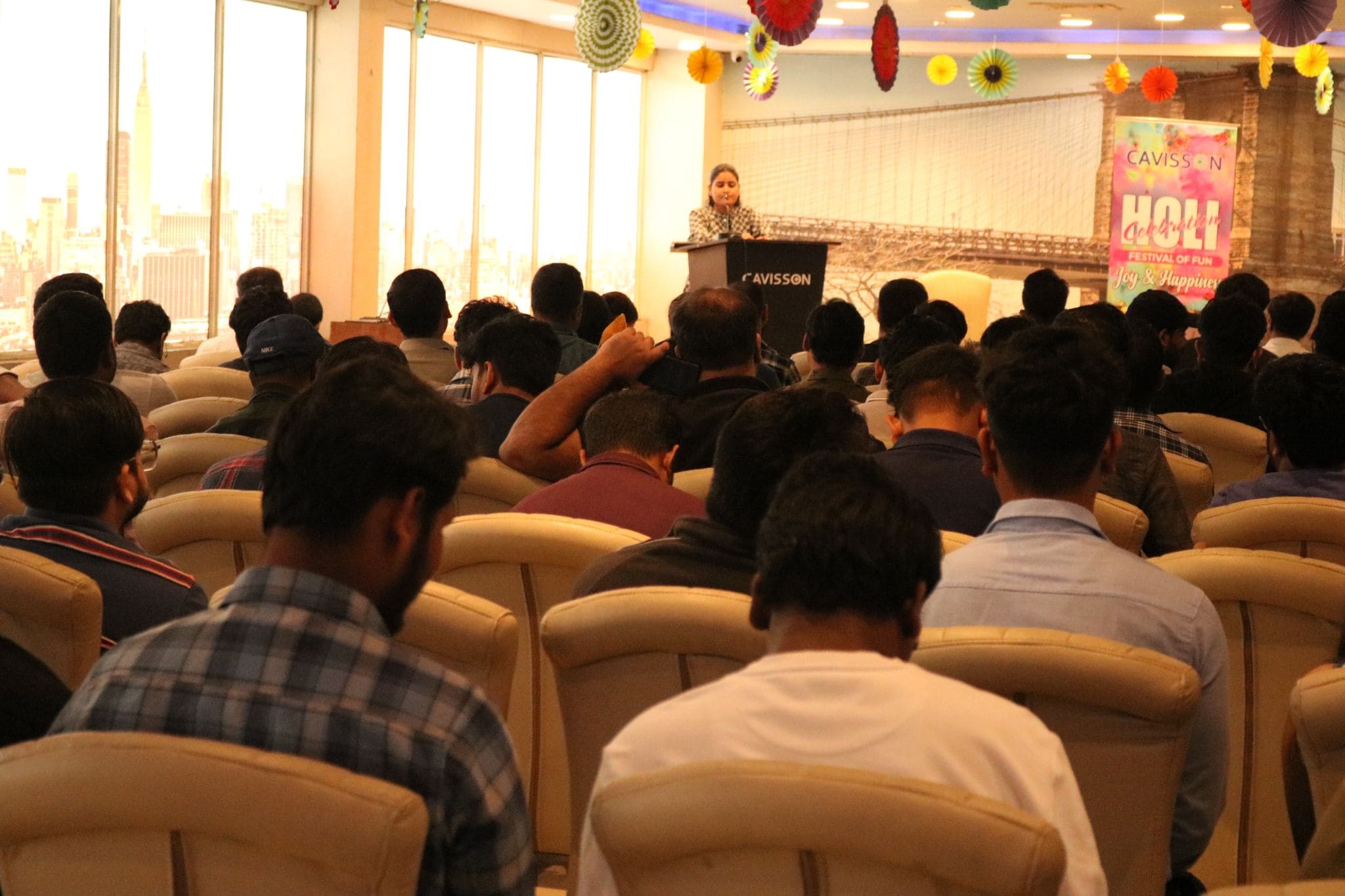
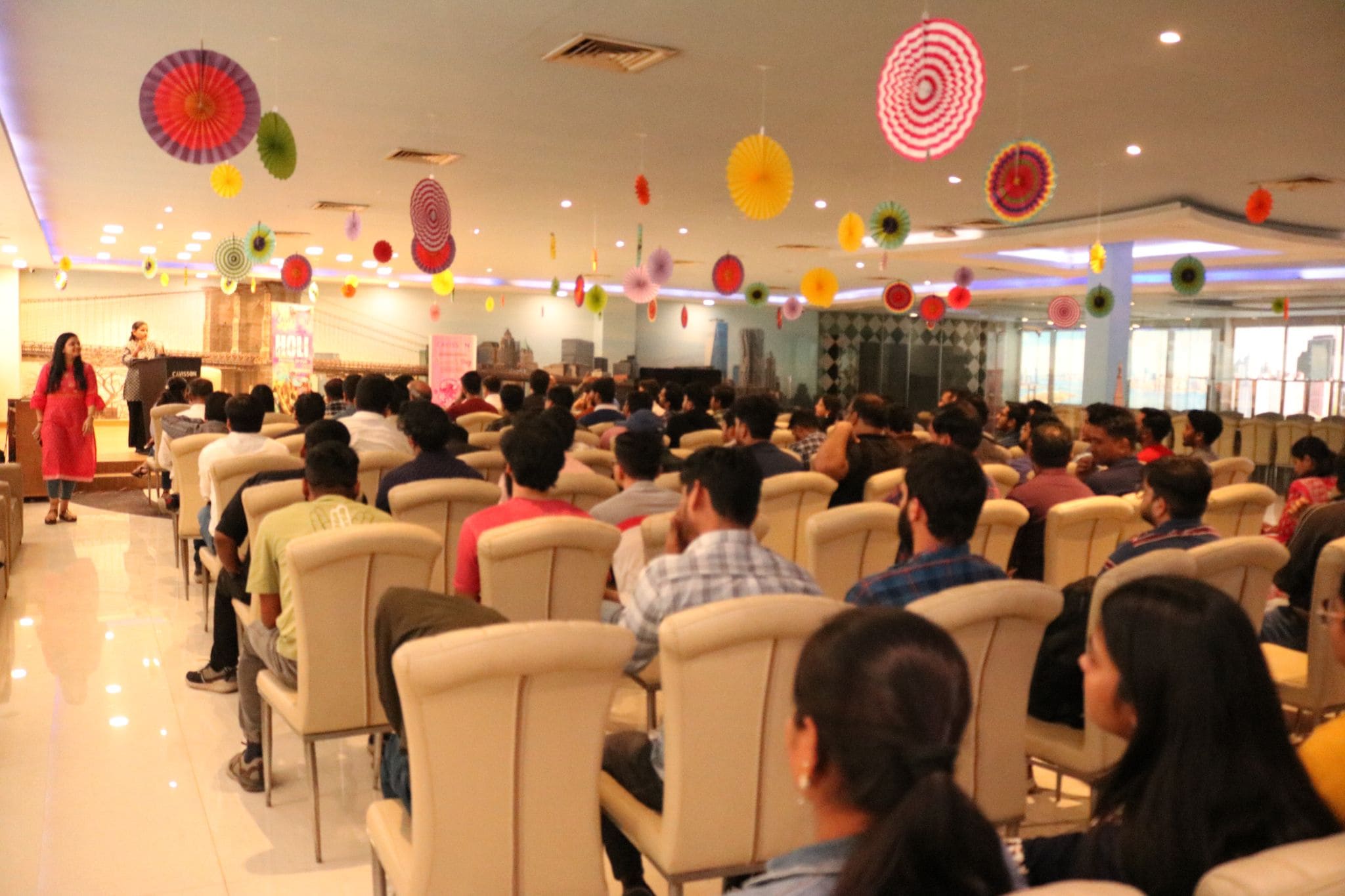
Vibrant Holi Celebrations at Cavisson Systems!

We celebrated the festival of colors at Cavisson Systems with an incredible day of joy, laughter, and team bonding! Our Holi festivities were a beautiful blend of tradition and wellness that brought our entire team together.

Highlights from our colorful day:

The office came alive with groovy beats and foot-tapping music that had everyone dancing. Our team participated in exciting games and playful challenges with tremendous enthusiasm. Everyone enjoyed the delectable festive treats that added flavor to our celebration. Our special Ayurveda Session provided valuable health & wellness tips from an expert.

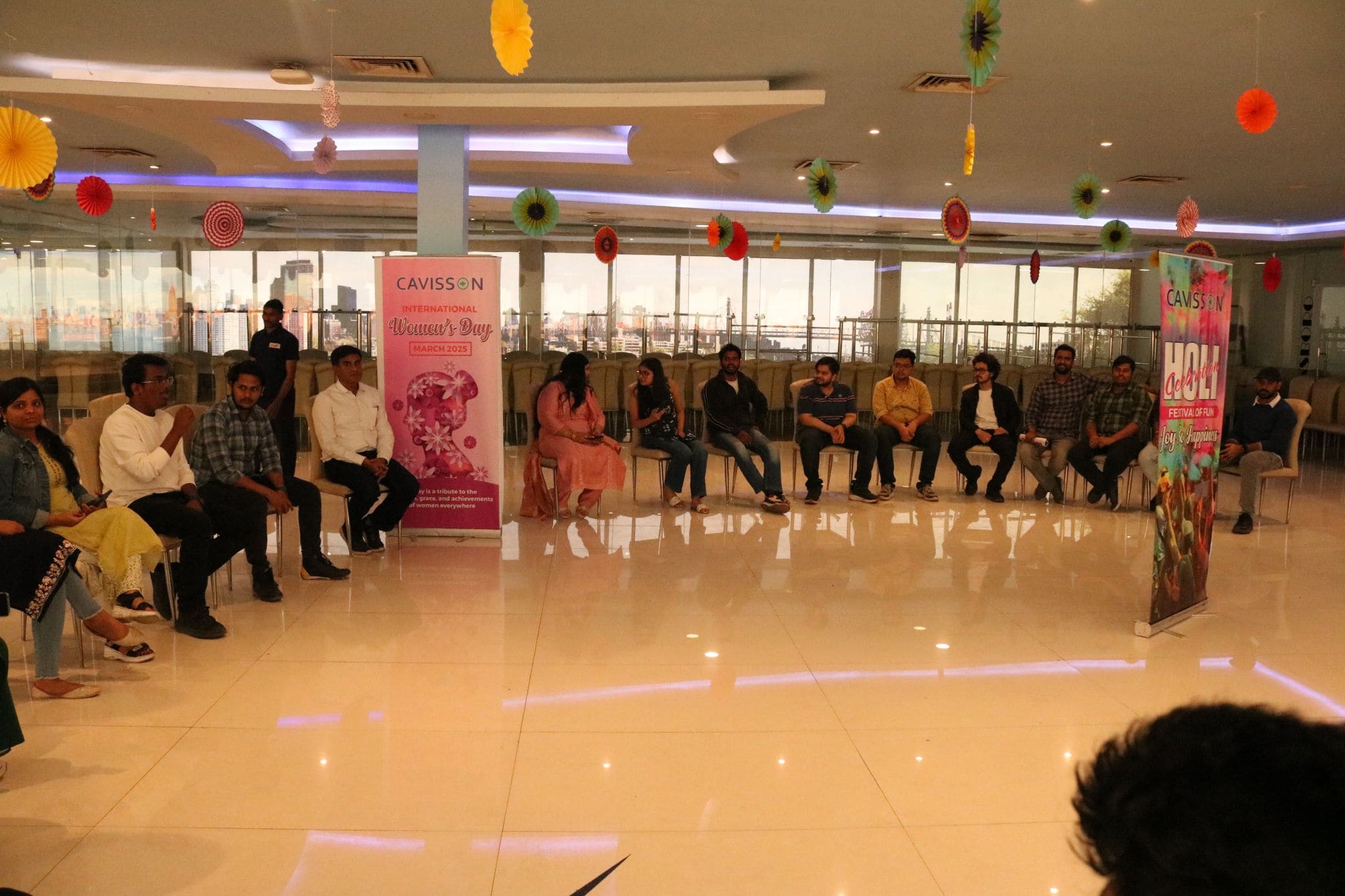
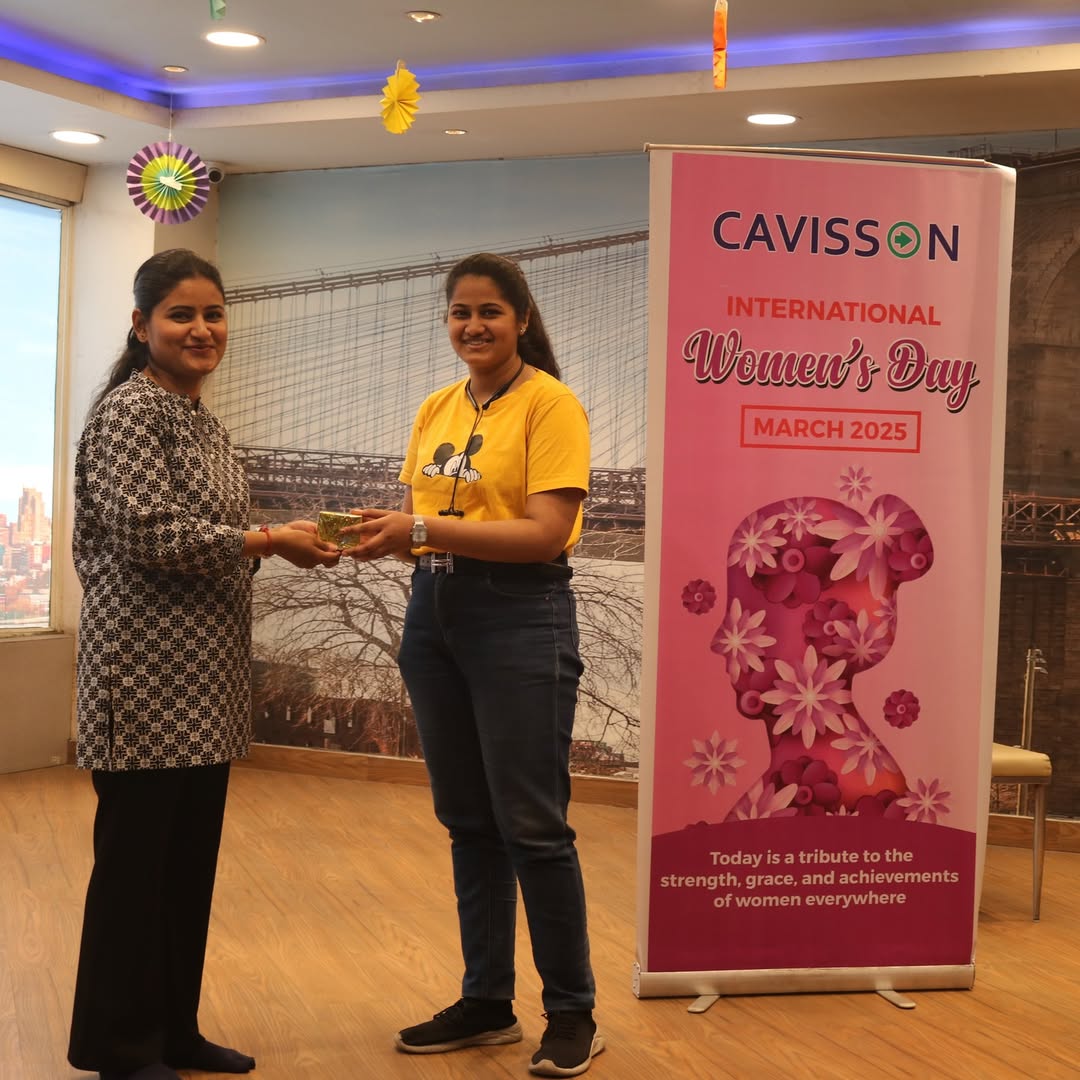
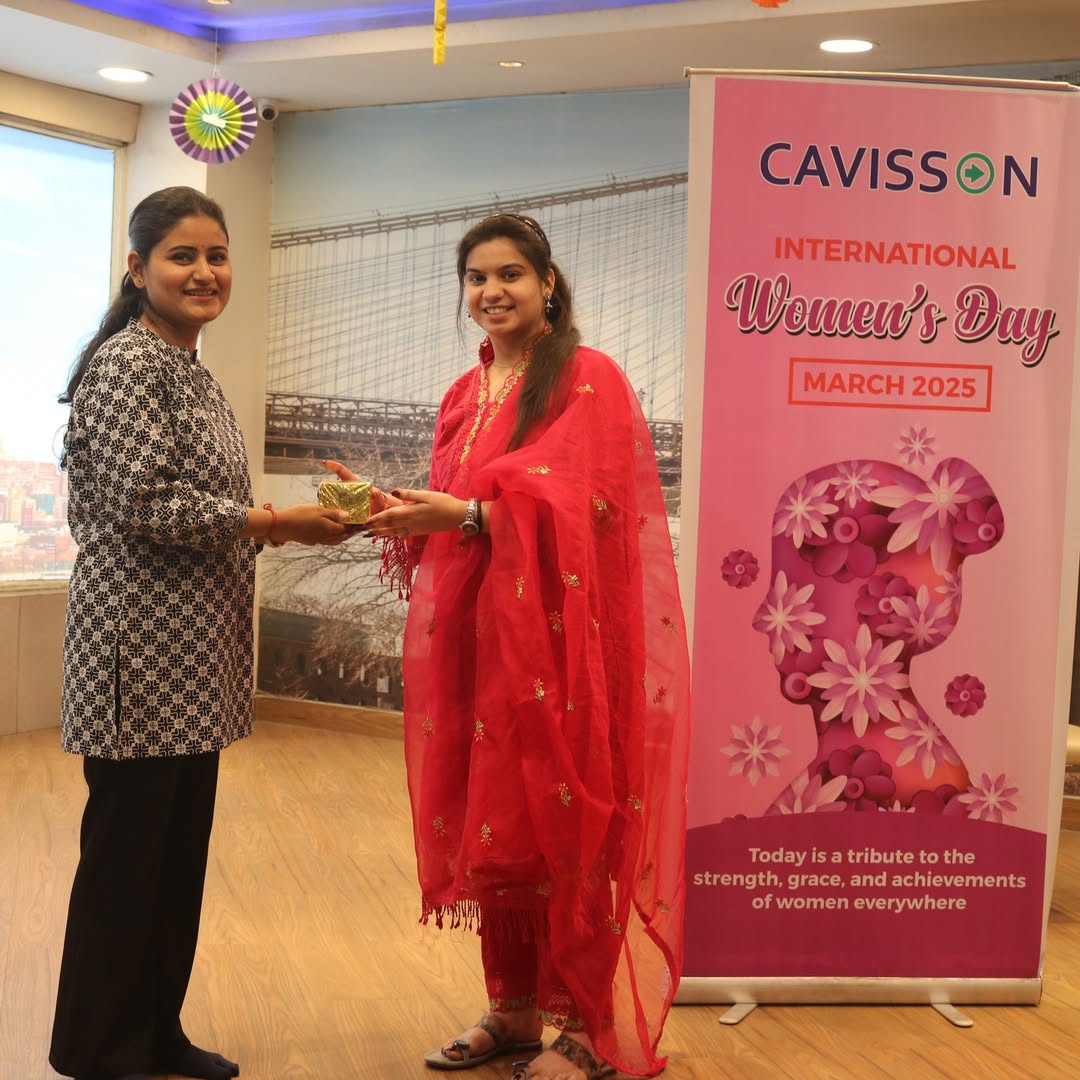
Women's Day 2026 at Cavisson Systems: Embracing Holistic Health Through Ayurveda

In celebration of International Women’s Day, we recently hosted a special Ayurveda session curated exclusively for the women of Cavisson Systems, focusing on holistic health, balance, and well-being. We were honored to have an experienced yoga expert from Patanjali lead this session, sharing valuable insights on achieving overall well-being through Ayurveda and Yoga practices tailored specifically for women.

Highlights from our enriching session:
Insightful discussions on Ayurvedic approaches to women’s health & wellness. Practical tips on adapting to changing weather patterns through yoga techniques. Engaging Q&A session with our Ayurveda expert

The enthusiasm and participation from our women team members made this event truly special. We’re committed to creating spaces that nurture both professional growth and personal wellness at Cavisson Systems.

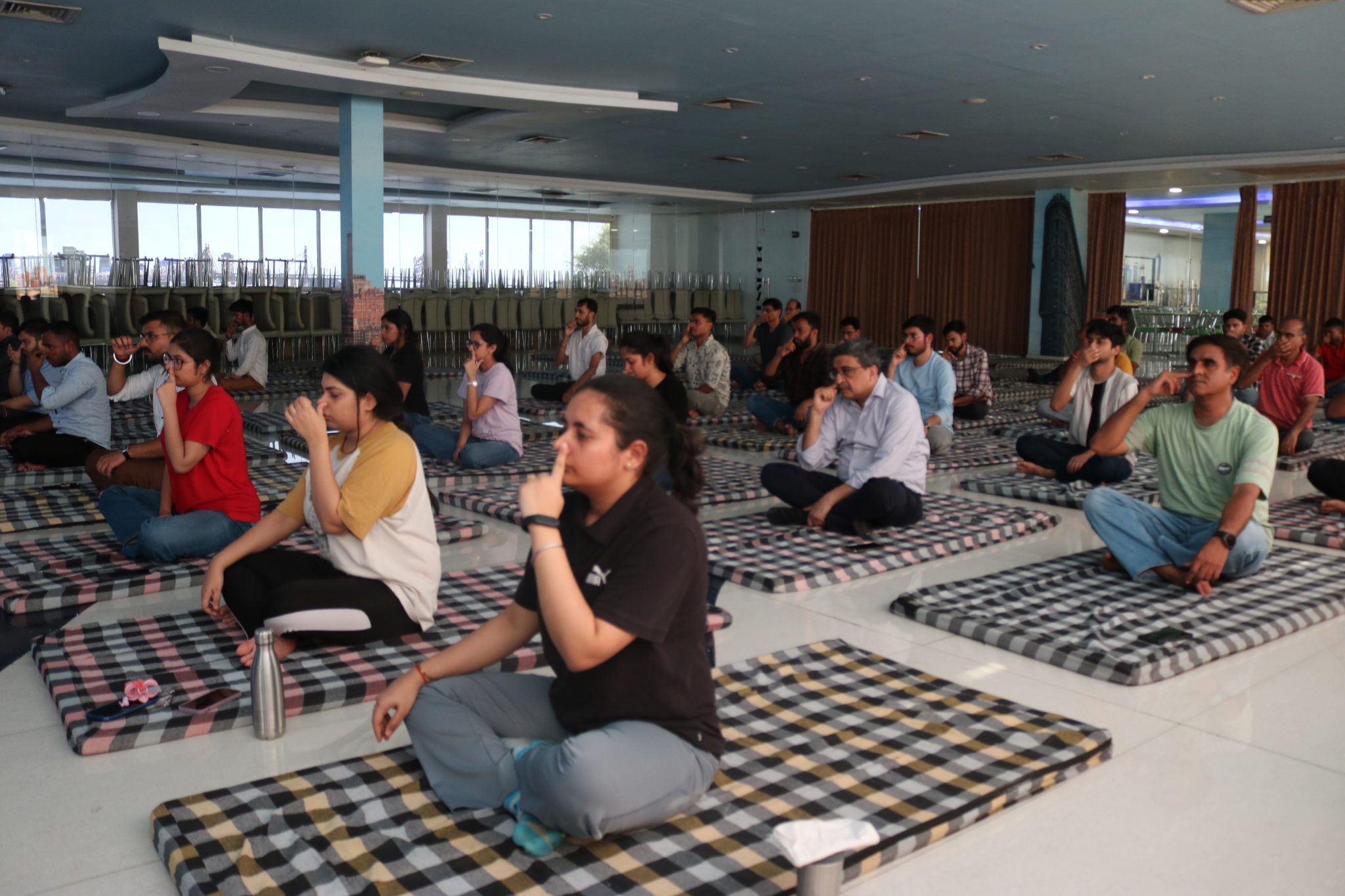
Celebrating International Yoga Day Week at Cavisson Systems!

In recognition of International Yoga Day, we’re thrilled to host exclusive yoga session at our office as part of our commitment to promoting employee well-being, mindfulness, and work-life balance.
  
Experience a guided session led by our certified Arham Yoga Teacher, designed to calm the mind, improve mental clarity, and promote emotional balance. The perfect mid-week reset for our team!
Whether you’re a seasoned practitioner or yoga-curious, these sessions are designed to be inclusive, calming, and rejuvenating for everyone.
 

From Gherkin Files to Functional & Performance Tests in Minutes

From Gherkin Files to Functional & Performance Tests in Minutes

Stop rewriting what your QA team already wrote. Cavisson’s intelligent import engine transforms Gherkin feature files into production-ready functional and performance tests — assertions included, zero rework required.

Every modern QA team maintains a library of Gherkin feature files — carefully crafted BDD scenarios that define precisely how an application should behave. These files represent enormous intellectual investment. Yet when it comes to performance testing, engineering teams typically start from scratch, duplicating intent, duplicating effort, and inevitably introducing drift between functional and performance test coverage.

Cavisson eliminates this duplication entirely. The platform ingests your existing Gherkin .feature files directly and produces test scripts that run as both functional validation suites and high-concurrency performance workloads — from the very same source of truth.

(more…)

From PRDs to Performance Tests: How AI Massively Reduces Test Authoring Time

Your requirements documents already contain the blueprint for your load tests. Most teams never unlock it. Here’s how Cavisson’s AI changes that equation.

70%

reduction in test authoring time

faster test coverage across services

90%

of PRD perf criteria captured automatically

Here’s a scenario most performance engineers know intimately: you’re handed a 60-page PRD the week before a major release. Somewhere on page 34, buried between UI mockups and data schema definitions, there’s a line that reads: “The checkout flow shall support 500 concurrent transactions at peak load, with API response times not exceeding 800ms at the 99th percentile.”
(more…)