

1. What is real user monitoring?
Real user monitoring is web monitoring that records users’ interactions with a website or web application and provides visibility into end-user experience issues. Real User Monitoring (RUM) is crucial to any comprehensive performance monitoring strategy. It involves capturing and analyzing data from users interacting with a website or application in real-time. Unlike synthetic monitoring, which simulates user interactions, RUM provides insights into real-world usage patterns, performance issues, and user behavior.2. How real user monitoring works?
RUM inserts a small JavaScript code on every page of your website that automatically triggers when a user visits the site to report back on the page load data and other performance metrics. This data is based on user interactions, allowing you to quickly identify and optimize the website areas requiring immediate attention to improve the end-user experience.3. Synthetic Monitoring vs. Real User Monitoring
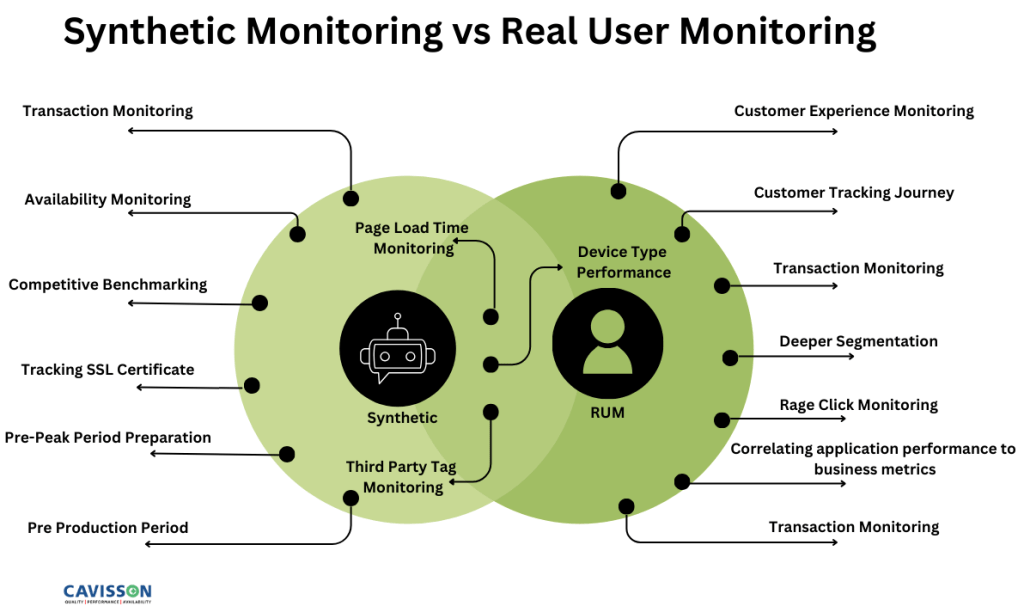
Both RUM and synthetic monitoring are crucial to effective application performance monitoring (APM). Businesses often use these techniques together to obtain meaningful results. However, they often struggle to spot the differences when it comes to synthetic monitoring vs real user monitoring. Let’s explore them in detail.
RUM is a type of passive web monitoring. It relies on technology to track and analyze the website or application performance in the background, including the availability, usability, and responsiveness. This approach also requires a decent amount of traffic or page views before surfacing significant results related to web application performance in the real world or client environment with varying browsers, devices, networks, and geolocations. Understanding the long-term performance trends is more straightforward with RUM by analyzing the current and past application usage patterns.
Synthetic monitoring, in contrast, takes a proactive approach to website monitoring by running automated scripts simulating real user activities to track and eliminate short-term performance issues during application development. Additionally, synthetic monitoring enables QA teams to test an application before its release. It’s handy for high-traffic websites where early testing can help retain users and minimize revenue losses due to application errors. However, simulating every real-world scenario is practically impossible due to various environmental factors, such as the user’s device, network speed, and geolocation. RUM can help fill this gap by offering more visibility into actual user experiences.
4. Benefits of RUM
Some important benefits of RUM include:
- Improved customer experience: RUM solutions gather real-time transaction data helpful in understanding the actual behavior of web visitors. It can help you identify how and where your users access your site without sampling your data and understand who is affected by outages or poor user experiences.
- Enhanced visibility: RUM investigates a website from the customers’ perspective to detect and report unexpected issues, such as page load performance across different geographies, browser types, and more. Having such granular visibility into app performance can help eradicate hard-to-detect problems quickly before they reach end users and, as a result, bring down your revenue.
- Higher productivity: Manual detection of website performance and usability issues is often time- and resource-intensive. RUM tools can automatically detect website performance problems, allowing developers to fix them rapidly without additional effort.
5. Empowering Insights with Cavisson
Cavisson offers a robust RUM solution designed to provide businesses with actionable insights into their digital properties. Leveraging advanced monitoring capabilities, Cavisson enables organizations to:
❖ Monitor Performance in Real-Time:
With Cavisson RUM, businesses can monitor key performance metrics, such as page load times, server response times, and transaction durations, in real-time. By gaining visibility into performance issues as they occur, organizations can proactively address bottlenecks and ensure optimal user experiences.
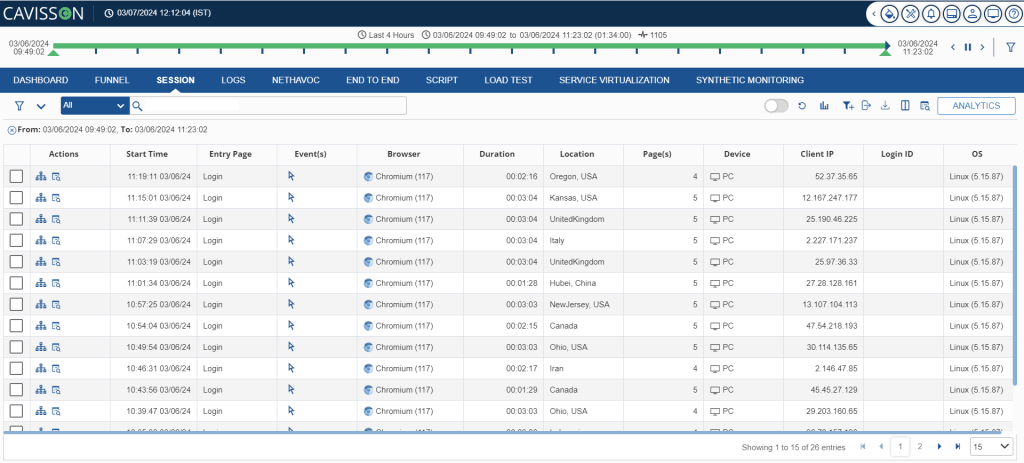
❖ Understand User Behavior:
Cavisson RUM tracks user interactions across different devices, browsers, and geographical locations, allowing businesses to understand how users navigate their digital properties. By analyzing user behavior, organizations can optimize user journeys, improve conversion rates, and enhance overall engagement.
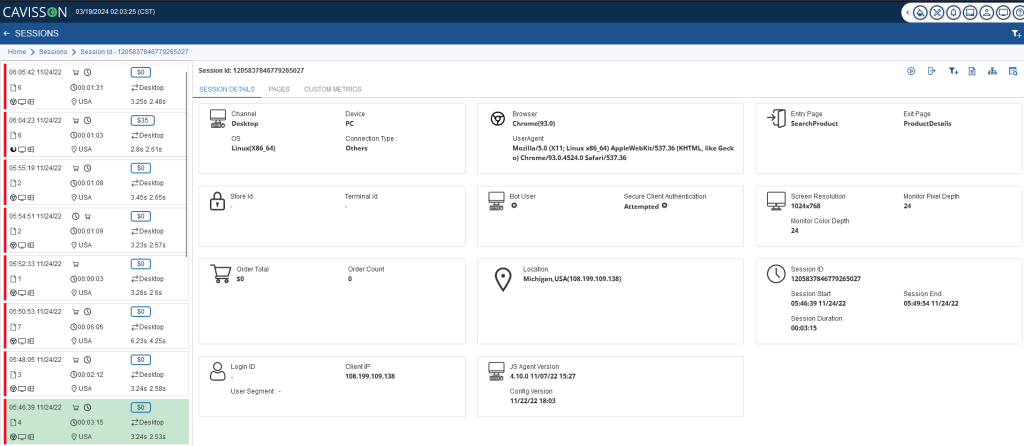
❖ Identify Anomalies and Trends:
Cavisson’s intelligent analytics engine identifies anomalies and trends in user behavior and performance metrics, empowering businesses to detect issues before they impact a larger audience. Whether it’s a sudden spike in error rates or a decline in page responsiveness, Cavisson equips organizations with the insights needed to take proactive measures.
❖ Optimize Digital Experiences:
Armed with comprehensive data from Cavisson RUM, businesses can make informed decisions to optimize their digital experiences continually. Whether it involves fine-tuning website performance, refining user interfaces, or prioritizing feature enhancements, Cavisson enables organizations to deliver experiences that meet user expectations.
Conclusion:
In today’s competitive digital landscape, user experience is a critical differentiator that can make or break a business. With Cavisson Systems’ Real User Monitoring solutions, businesses can gain unparalleled insights into their digital user experiences, optimize performance, and drive success in the digital era.
Are you ready to elevate your user experience with Cavisson Systems’ RUM solutions? Contact us today to learn more and start your journey towards delivering exceptional digital experiences.